A baby's fever is one of the most frightening things you will experience as a parent. And although there are plenty of ways to lower your infants fever with medications like ibuprofen and acetaminophen, many parents feel that a natural approach to fever reduction is the better choice for them. The tricky part about fevers, is that they are the natural way for your baby's body to fight infection. So reducing a fever should be done mostly when the fever has risen nearly to levels that could be unsafe for your baby. Also, always notify your pediatrician when your baby is running a fever. If your pediatrician agrees that gently lowering your baby's fever with some natural methods is best, then I recommend you try these tips and/or my first 5 tips for reducing your baby's fever. Also be sure to continually monitor your baby's temperature while using any of these tips. A fever dropping too quickly can be a sign of shock, which can be dangerous.
1. Tepid skullcap tea sponge bath.
Skullcap is a natural herb that has gentle fever-reducing properties. Though many herbs including this one are considered safe, when your baby is already sick, it might irritate the stomach if ingested. Instead, simply make a medium-strength tepid tea (steeping the teabag for about 3 minutes) and then use a soft cotton cloth to sponge the cool liquid onto your baby's wrists, under his arms, behind his knees and across his chest and shoulders. This has the combined cooling effects of the slow evaporation of the liquid, and the gentle absorption of small amounts of the herb through your little glow-worm's skin.
2. Damp socks.
Whether you rinse your baby's socks in a bit of fresh cool water, or if you dip them in some chamomile, or skullcap tea (be careful, this can discolor the socks), when they are still just a bit damp, put them on her. This will help with a slower cooling evaporation, that is gentle enough to avoid cooling your infant down too quickly. As your little munchkin kicks her feet she will help to cool the socks off as well. Re-moisten the socks from time to time as they dry.
3. Cool lettuce leaf wrap.
Fresh romaine lettuce leaves soaked in a tepid bowl of water can be wrapped around your baby's legs, chest and back. Lettuce naturally conducts heat very quickly. As it absorbs the heat from your baby, it will also insulate gently, making sure that his temperature does not drop too fast. Change the lettuce leaves often, every 3-4 minutes until your infant's fever has been reduced to safe levels once again. Check your baby's skin for any sign of irritation, and discontinue the lettuce wraps at once if a rash appears.
4. Fever reducing acupressure.
For infants and babies, there is a very gentle style of acupressure that can be used. It is called the "Jin Shin" technique. Using this technique, you gently hold the acupoints for a few moments while breathing deeply, then repeat at regular intervals over the course of the day. Some acupoints that you can use to help reduce your little tiger-lilly's fever are:
* LI-4 "Union Valley"
* LI-11 "Pool By The Bend"
* GV-14 "Great Hammer"
Gently hold each of these acupoints in turn for about 10-15 seconds while using deep breathing to keep yourself calm and centered. You can repeat this baby's fever reducing acupressure routine 3-4 times through the day.
5. Skin-to-skin hold.
The best heat regulator you have is your own body. If you walk in the sunlight your body cools down, if you stroll through the shade, your internal temperature increases. So, in a warm room, take your baby's clothing off (except for the diaper) and hold him on your bare chest, Your body will immediately start to cool you both down. The excess heat from your baby will be absorbed gently through your own skin. This technique is not only gentle and effective for fever reduction, but it is very calming and comforting to both the you and your infant. If you think that your baby may be feeling cold, you can drape a light cotton blanket over his back. Continue the skin-toskin hold for about 20-30 minutes for the full effect. You can continue the hold longer if you like, but the fever will not drop much further. The hold can be repeated as often as you like.
While your baby has a fever, and immediately after a fever has been reduced, it is important to remember to try to feed your infant as much as you can. Dehydration is common in babies with fevers. Also, please put any sleep-training on hold until your baby feels better. Your baby needs as much sleep as she can get while she is sick, and it doesn't really matter if she sticks to a schedule or not. Also, always, always, always, talk to your baby's doctor about what you are doing, and how your baby is feeling. Even if you feel it is not that important, your doctor can reassure you, or alert you to issues you may not have been aware of. If you have found these tips to be helpful, please forward them to any new or expecting parents you know. Happy parenting!
Showing posts with label fever. Show all posts
Showing posts with label fever. Show all posts
Tuesday, December 13, 2011

Friday, December 2, 2011
I'm Back.
I would like to apologize to all my readers for my long absence. After my family moved to Utah we experienced quite a few changes. There have been some pretty tough times over the last two years, and when push came to shove I had to let go of my blog for a while. I am thankful to all of the emails and letters of support I have received over the last couple years, and I do apologize for how few I was able to respond to. I have recently moved back to the city of San Francisco, and have resumed my career in child care.
As a quick announcement, I have recently contracted with Day One in San Francisco to teach my Infant Acupressure techniques in their San Francisco location. The first class will be held on January 26th 2012. For more information, or to register, please visit their site.
Thank you all for your continued support and interest. As before, I am interested in any feedback or questions you may have for me. Happy parenting!
- Naomi
As a quick announcement, I have recently contracted with Day One in San Francisco to teach my Infant Acupressure techniques in their San Francisco location. The first class will be held on January 26th 2012. For more information, or to register, please visit their site.
Thank you all for your continued support and interest. As before, I am interested in any feedback or questions you may have for me. Happy parenting!
- Naomi
Friday, July 10, 2009
5 tips for infant acupressure points.
Acupressure is an ancient form of natural healing that uses pressure applied to certain spots on your body. Most acupressure for adults uses intense pressure over several minutes, but for babies this is way to rough and invasive. However, there are a few places that you can use gentle pressure to help remedy some everyday troubles. For babies under 3 months very gentle pressure should be used for a total of only about 10 to 20 minutes a day. Just a few seconds of softly pressing on each point every few hours should be sufficient. In addition to these five acupressure points, I have listed some more for reducing your baby's fever in another post. Acupressure treatments should only be used in addition to the medical advice of your pediatrician, not as a substitute.
1. Congestion relief points.
When your baby is stuffed up it is one of the most miserable things in the world. She can't eat, can't sleep and can't suck on her pacifier. While using a little saline water and a suction bulb is a great way to remove mucous from her nasal cavity, the swollen tissue that is constricting her ability to breath through her nose is the real issue. Just next to the largest part of each of her nostrils is a pressure point that helps reduce inflammation of the nasal passages. Simply place a finger on either side of he nose at the widest part, and gently massage in a circular motion while counting to 10. This should provide her with some relief immediately, and help to resolve the underlying cause of the inflammation more quickly. You can use these points up to 6 times in a day, spaced a couple hours apart.
2. Cough suppressant points.
Sometimes, even though your baby seems to be fully recovered from an illness, a nagging cough will keep bothering your little Snuffleupagus. This cough is usually a dry hacking one, but even if it is a bit croupy these pressure points can offer a little bit of relief. These pressure points are located on the top section of your baby's index fingers just above the knuckles. Do not pinch when you apply the pressure, just holding onto your baby's fingers will be sufficient. Try to hold on for about 5 seconds whenever your baby has a rough bout of coughing. The cough should be significantly calmed while you hold his fingers, and the duration of the cough over all should be reduced significantly.
Sometimes, even though your baby seems to be fully recovered from an illness, a nagging cough will keep bothering your little Snuffleupagus. This cough is usually a dry hacking one, but even if it is a bit croupy these pressure points can offer a little bit of relief. These pressure points are located on the top section of your baby's index fingers just above the knuckles. Do not pinch when you apply the pressure, just holding onto your baby's fingers will be sufficient. Try to hold on for about 5 seconds whenever your baby has a rough bout of coughing. The cough should be significantly calmed while you hold his fingers, and the duration of the cough over all should be reduced significantly.

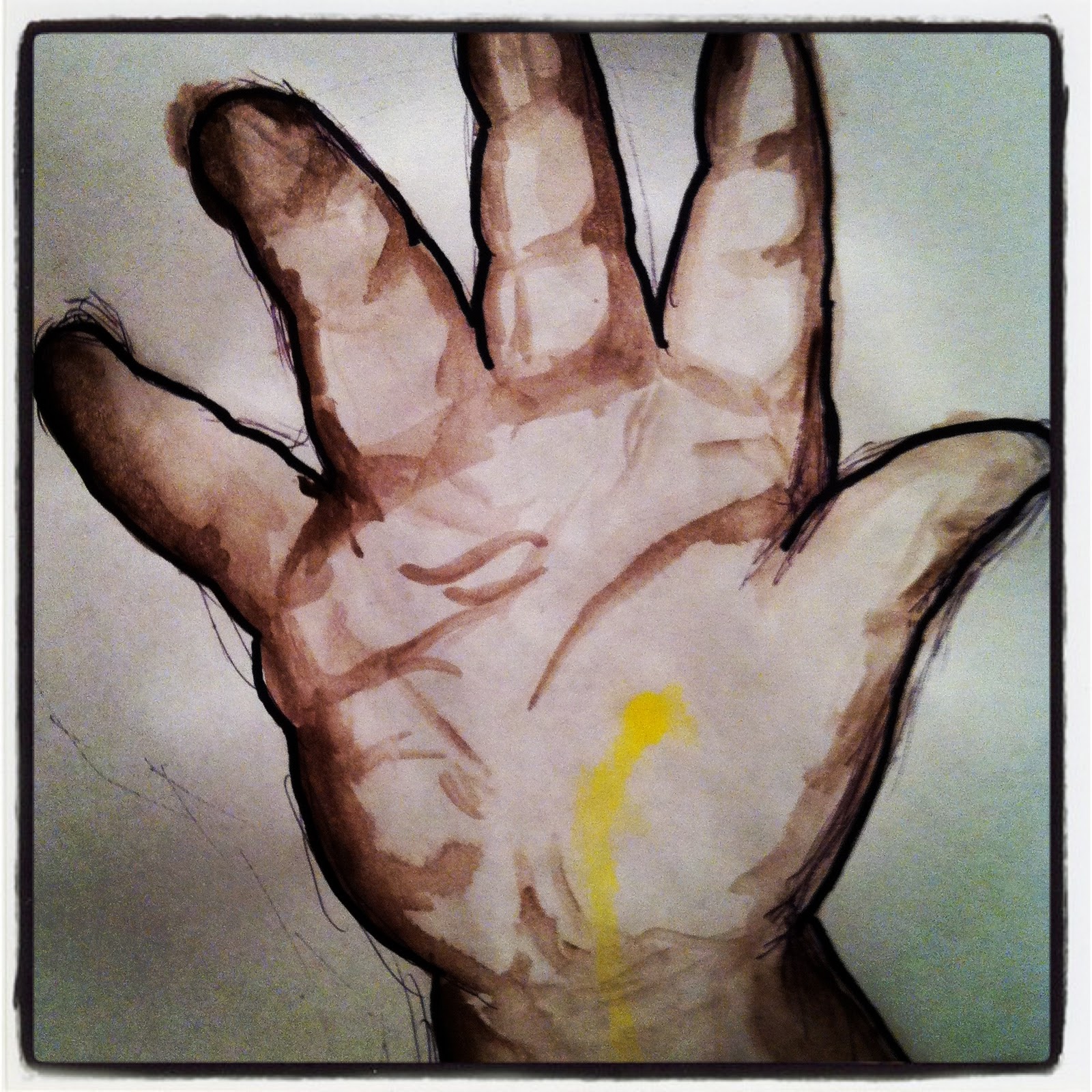
3. Teething pain relief points.
4. Sleep inducing point.
This is by far my favorite pressure point for babies. It is one of the most effective acupressure points for infants that I have found. If you are trying to soothe your baby to sleep, and you have addressed all of the usual causes for wakefulness (hunger, diaper, warmth, gas and burping), try this pressure point. Between and slightly above your adorable insomniac's eyebrows on her forehead is what I like to call your baby's "sleep button". Just a soft stroking touch for anywhere between 10 and 20 seconds will prompt your baby to relax and close her eyes. Even if she does resist and fight the relaxation, in a few minutes after you stop she will most likely succumb to her exhaustion.
5. Fever reduction points.
To help reduce your baby's fever, you can try these pressure points located at the base of each of your little angels thumbnails. A gentle non-pinching, grasp of the thumbs for about 10 seconds every 2 to 3 hours throughout the day should help bring down your baby's fever faster and more effectively than simply waiting it out. Though I have several other tips for reducing a baby's fever that I personally prefer, when I need to try something extra, these pressure points are a good thing to try. There are also three more points for quickly lowering dangerous fevers in another post.
Though infant acupressure is lesser known, it is a great tool to have in your bag of parenting tricks. The wonderful thing about these pressure points is that they do not go away, they grow with your child, and you can use them as long as your sweet little panda will let you. I still use the sleep button, cough suppressant and the teething points on my son who is now 2. If you have found these tips helpful please forward them to any new or expecting parents you might know. Questions and comments are always welcome. Happy parenting!
By: Naomi Tripi
http://tripibabytips.blogspot.com
There is a NEW post from NAOMI up today (9/5/14)! Check it out HERE.
Friday, May 29, 2009
5 tips for naturally reducing a baby's fever.
One of the scariest things for a parent to encounter is kissing your baby only to find that they are burning up with a fever. If your baby has a fever of over 100 degrees Fahrenheit or 38 degrees Celsius you should consult your pediatrician right away. Only after your doctor has sent you home with instructions to "wait and see" should these methods be used. Most pediatricians will recommend infant Tylenol or Ibuprofen to help bring down your baby's fever, but there is a growing feeling among many parents that they would rather take a more natural approach. While there is nothing quite as natural as letting a fever run it's course without interference, this can be very uncomfortable for your baby. Here are 5 tips to help you naturally reduce your baby's fever (and if you need some additional ideas, here are 5 more tips on the same topic).
1. Cool water baby massage.
In a warm room lay out a towel on a waterproof pad (like a changing table pad with the cover removed). Get a bowl of lukewarm water, add a chamomile tea bag to the water if desired, and set it near by. Lay your baby on the towel and remove their clothing (you can leave on the diaper if you want to). Now dip your hands in the water and gently place your hands on your baby's chest. Fan your fingers out and slide your hands down your baby's sides. Take each leg in turn and gently slide your hands up the leg from the toes to the hip 3 or 4 times in a row. Now repeat this motion on each arm 3 or 4 times from fingertips to shoulder. Cup your baby's shoulders in your palms then slide your hands down to the chest and begin again. continue to dip your hands in the water throughout the massage as needed. This soothing combination of simple strokes should have a calming effect, if it seems to cause your baby any stress discontinue the massage right away. Every baby is different, and some remedies will work better for some than for others.
2. Cucumber pacifier.
The cucumber is often used by spas as a way to reduce tissue inflammation and swelling around peoples eyes. It can have a similarly soothing effect on your baby when used as a pacifier. I recommend that parents take a whole young cucumber (young cucumbers have fewer seeds) and peel one end, then use a paring knife to whittle it into the shape of a thick finger tip, thicker at the base, and slimming near the rounded tip. Remember not to expose any seeds, if the seeds are exposed, they must be trimmed away before the cucumber is offered to your baby. Hold the unpeeled body of the cucumber like a bottle, and offer the cool peeled tip for your baby to suck on. Keep a close eye on the cucumber to make sure that it is not starting to come apart. The cooling effect of the cucumber should start to reduce your baby's fever right away. Keep in mind that you should take your baby's temperature under the arm once they begin to suck on the cucumber.
3. Feed your baby more frequently.
Though your baby may seem to have less of an appetite, they actually need more fluids than normal. Dehydration is a very real danger when your baby has a fever, and since often the last thing they want to do is eat, try to offer them smaller feeds more often. If they are breastfeeding you can let them self-regulate, but just offer the breast more often. If your baby is bottle fed, offer about half what they normally eat, but twice as often. Also bottle fed babies can be offered room-temperature bottles rather than warm ones to help cool the fever further.
4. Take a lukewarm bath together.
Both the skin-to-skin contact and the tepid bathwater should be soothing and cooling for your little one. Even if you just give your baby a bath instead of joining in, it is a great way to reduce a fever and sooth the aches and pains that a fever causes. As you probably know I am a big fan of chamomile, so I personally recommend adding a chamomile tea bag to the bath water, but it isn't really necessary to help reduce the fever.
5. Use a cool swaddle.
Having a baby with a fever is extra hard because swaddling them like normal will just cause over-heating, but chances are they still sleep best when they are swaddled. I do have some help for you though, it is a certain doctor recommended swaddle wrap I designed to keep babies cool. Just use a normal receiving blanket, folded in half to form a triangle.

Lay your baby left-of-center with shoulders and head above the folded side of the blanket. Now tuck your baby's left arm under the blanket

and fold the rest of the large right side under your baby so both tips of the folded edge of the blanket are on
the left side of your baby.

Now tuck your baby's Right arm under both layers of folded blanket,

and fold the bottom layer of blanket under your baby's arm and body so it is once again on the right side of
your baby.

Now bring both of the folded tips of the blanket to the front of your baby, and do a starter-wrap with them, ("left over right, then under and pull") as if you were preparing to tie your shoe.

Now bring the bottom tips of the blanket up and tuck them under the starter wrap.

Now your baby is securely swaddled, but exposed on the chest, shoulders and neck. This is the best wrap for a baby with a fever, secure, but not too hot. I recommend using light cotton blankets for this wrap. Even a sheet would be a good material for it.
Always keep a close eye on your baby's temperature when they are running a fever, and never hesitate to contact your pediatrician if they get too hot, or if they develop new or different symptoms. These tips are only meant to sooth the effects of a fever, not to treat or cure any underlying cause for it. I hope this proves useful for you and your poor sick snuggy-bug. Questions and comments are welcome, and please pass these tips on to any new parents you know who might need them. Happy parenting!
1. Cool water baby massage.
In a warm room lay out a towel on a waterproof pad (like a changing table pad with the cover removed). Get a bowl of lukewarm water, add a chamomile tea bag to the water if desired, and set it near by. Lay your baby on the towel and remove their clothing (you can leave on the diaper if you want to). Now dip your hands in the water and gently place your hands on your baby's chest. Fan your fingers out and slide your hands down your baby's sides. Take each leg in turn and gently slide your hands up the leg from the toes to the hip 3 or 4 times in a row. Now repeat this motion on each arm 3 or 4 times from fingertips to shoulder. Cup your baby's shoulders in your palms then slide your hands down to the chest and begin again. continue to dip your hands in the water throughout the massage as needed. This soothing combination of simple strokes should have a calming effect, if it seems to cause your baby any stress discontinue the massage right away. Every baby is different, and some remedies will work better for some than for others.
2. Cucumber pacifier.
The cucumber is often used by spas as a way to reduce tissue inflammation and swelling around peoples eyes. It can have a similarly soothing effect on your baby when used as a pacifier. I recommend that parents take a whole young cucumber (young cucumbers have fewer seeds) and peel one end, then use a paring knife to whittle it into the shape of a thick finger tip, thicker at the base, and slimming near the rounded tip. Remember not to expose any seeds, if the seeds are exposed, they must be trimmed away before the cucumber is offered to your baby. Hold the unpeeled body of the cucumber like a bottle, and offer the cool peeled tip for your baby to suck on. Keep a close eye on the cucumber to make sure that it is not starting to come apart. The cooling effect of the cucumber should start to reduce your baby's fever right away. Keep in mind that you should take your baby's temperature under the arm once they begin to suck on the cucumber.
3. Feed your baby more frequently.
Though your baby may seem to have less of an appetite, they actually need more fluids than normal. Dehydration is a very real danger when your baby has a fever, and since often the last thing they want to do is eat, try to offer them smaller feeds more often. If they are breastfeeding you can let them self-regulate, but just offer the breast more often. If your baby is bottle fed, offer about half what they normally eat, but twice as often. Also bottle fed babies can be offered room-temperature bottles rather than warm ones to help cool the fever further.
4. Take a lukewarm bath together.
Both the skin-to-skin contact and the tepid bathwater should be soothing and cooling for your little one. Even if you just give your baby a bath instead of joining in, it is a great way to reduce a fever and sooth the aches and pains that a fever causes. As you probably know I am a big fan of chamomile, so I personally recommend adding a chamomile tea bag to the bath water, but it isn't really necessary to help reduce the fever.
5. Use a cool swaddle.
Having a baby with a fever is extra hard because swaddling them like normal will just cause over-heating, but chances are they still sleep best when they are swaddled. I do have some help for you though, it is a certain doctor recommended swaddle wrap I designed to keep babies cool. Just use a normal receiving blanket, folded in half to form a triangle.

Lay your baby left-of-center with shoulders and head above the folded side of the blanket. Now tuck your baby's left arm under the blanket

and fold the rest of the large right side under your baby so both tips of the folded edge of the blanket are on
the left side of your baby.

Now tuck your baby's Right arm under both layers of folded blanket,

and fold the bottom layer of blanket under your baby's arm and body so it is once again on the right side of
your baby.

Now bring both of the folded tips of the blanket to the front of your baby, and do a starter-wrap with them, ("left over right, then under and pull") as if you were preparing to tie your shoe.

Now bring the bottom tips of the blanket up and tuck them under the starter wrap.

Now your baby is securely swaddled, but exposed on the chest, shoulders and neck. This is the best wrap for a baby with a fever, secure, but not too hot. I recommend using light cotton blankets for this wrap. Even a sheet would be a good material for it.
Always keep a close eye on your baby's temperature when they are running a fever, and never hesitate to contact your pediatrician if they get too hot, or if they develop new or different symptoms. These tips are only meant to sooth the effects of a fever, not to treat or cure any underlying cause for it. I hope this proves useful for you and your poor sick snuggy-bug. Questions and comments are welcome, and please pass these tips on to any new parents you know who might need them. Happy parenting!
Subscribe to:
Posts (Atom)



 Posts
Posts


